Top 10 Tips to Identify High Quality Upholstered Furniture?

Time:2026-09-01 Author:Henry
0%

When investing in upholstered furniture, the quality of materials and craftsmanship is crucial. Knowing how to identify high quality upholstered furniture can save you time and money. It also ensures that your purchase will withstand the test of time.

Quality upholstered pieces often feature durable fabrics and sturdy frames. Look for attention to detail, such as precise stitching and even patterns. These elements reflect the craftsmanship involved in creating the piece. However, it's not always easy to discern quality at first glance.

Sometimes, what seems like a good deal can lead to disappointment. Over time, low-quality furniture may sag or fray, requiring costly replacements. Educating yourself about these key indicators can help you avoid pitfalls. Reliable sources and expert opinions offer valuable insights. Always take the time to examine and evaluate before making your purchase.
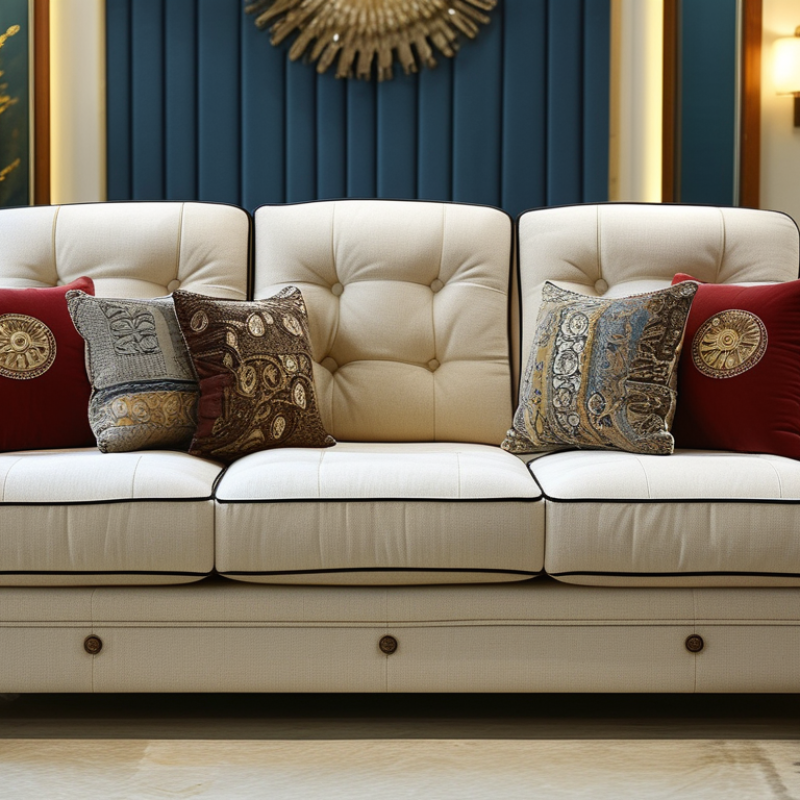
Top 10 Tips to Identify High Quality Upholstered Furniture?

Understanding Upholstered Furniture Materials and Construction

When choosing upholstered furniture, material and construction play vital roles in quality. High-density foam offers better support and retains its shape longer. Beware of low-density options; they may feel comfortable initially but can sag quickly. Consider fabric types like leather or natural fibers, which tend to be durable. Synthetic materials might present tempting price points but often lack breathability.

The frame is equally important. Solid wood frames typically outlast particle board options. Chairs and sofas should be sturdy, not creak when pressure is applied. Joints should be reinforced, preferably with dowels or corner blocks, rather than staples. When inspecting seams, look for tight stitching without loose threads. Weak seams may lead to rapid wear.

Assessing durability can be challenging, as not all materials age gracefully. Test the upholstery by gently tugging. This unveils potential weaknesses in the fabric. Consider how often you’ll use the furniture and the environment it will be in. Ideally, choose items that align with your lifestyle, as well as your aesthetic. Efforts to educate yourself will pay off in the long run, providing both comfort and value.

Recognizing Quality Upholstery Fabrics and Patterns

Choosing high-quality upholstered furniture involves understanding the materials and patterns used in upholstery fabrics. Look for fabrics with a tight weave. This indicates durability. A tighter weave can resist wear and tear better than looser ones. Patterns can also reveal a lot about quality. High-quality upholstery often features intricate designs or textures that are hard to reproduce cheaply.

Pay attention to fabric content. Natural fibers like cotton and linen are breathable and have better longevity compared to synthetics. A study by the Furniture Research Institute mentions that fabrics containing at least 50% natural fibers can last significantly longer than those made entirely from synthetic materials. Look for upholstery with a high Martindale rating, which measures abrasion resistance. Fabrics rated over 20,000 cycles are typically more durable.

Consider the craftsmanship, including seams and patterns. Well-made furniture should have straight, even stitching. If the seams show fraying or imperfections, it may indicate poor craftsmanship. A disorganized pattern alignment can also reflect low-quality construction. These details are essential when assessing overall quality. Make careful observations to avoid common pitfalls, as appearances can be deceiving.

Evaluating Frame Strength and Durability in Upholstered Pieces

When evaluating the frame strength of upholstered furniture, materials matter a lot. Solid wood frames typically last longer than particleboard or plywood options. Pay attention to the joinery methods as well. Dovetail and mortise-and-tenon joints provide superior strength compared to staples or screws. Testing the frame’s sturdiness by shaking the piece can reveal potential weaknesses.

Look at the furniture's weight. Heavier pieces generally indicate a more robust frame. Additionally, inspect the corners and edges of the furniture. A well-made frame will have reinforced corners to prevent wear and tear. Cushioning can also hint at quality; high-density foam maintains shape better over time.

Check for warranty options. A good warranty often reflects the manufacturer’s confidence in their product's durability. Real craftsmanship is evident through details. Uneven seams or misaligned patterns can indicate a rushed or poor construction. Ultimately, investing time in careful evaluation will lead to better furniture choices.

Inspecting Cushions: Density, Resilience, and Comfort Factors

When inspecting upholstered furniture, focus on the cushions. The density of the foam affects comfort and durability. A denser foam is often more resilient, meaning it will hold its shape longer. You won’t want to sink too deeply when you sit down. Look for cushions that feel supportive yet comfortable. A cushion should provide just enough give without losing its form.

Resilience is also vital. Press down on the cushion and watch how quickly it returns to its original shape. If it springs back easily, that’s a good sign. However, pay attention to how it feels when you sit on it for longer periods. Some may not feel as comfortable after an hour. This can be a real concern for furniture meant for everyday use.

Finally, comfort is subjective. Everyone has different preferences. Test the cushions by sitting in different positions. Do they feel firm or too soft? Your personal comfort is paramount. Trust your instincts here, and choose what feels right for you. Don't hesitate to rethink your choice if it does not meet your expectations after some testing.

Top 10 Tips to Identify High Quality Upholstered Furniture - Inspecting Cushions: Density, Resilience, and Comfort Factors

Aspect Important Factors Quality Indicator
Cushion Density Measured in lbs/ft³ Higher density (4-5 lbs/ft³) indicates durability
Cushion Resilience Ability to return to original shape Look for high resilience foam
Comfort Level Personal preference, experience test Soft but supportive is ideal
Upholstery Fabric Material type, durability Natural fabrics are often more breathable
Construction Techniques Joint types, stitching methods Dovetail joints and double stitching denote quality
Seat Depth Can affect comfort for taller individuals Consider personal height and posture
Frame Material Wood vs. metal frames Solid hardwood frames are typically more durable
Warranty & Return Policy Length of coverage, conditions Longer warranties indicate manufacturer confidence
Fabric Care Requirements Cleaning method, maintenance Easier to clean fabrics are more convenient
Aesthetics Design, color options Choose a style that complements your space

Assessing Craftsmanship and Finishing Touches for Quality Assurance

When assessing upholstered furniture, craftsmanship and finishing touches are key indicators of quality. Look closely at the seams. Neat, even stitching shows attention to detail. Uneven stitching or frayed edges may indicate sloppy work. Examine the fabric. High-quality materials feel luxurious and should not wear down easily. Touch the upholstery and notice how it responds. It should have a balanced resilience.

Pay attention to the frame construction. Solid wood frames are generally more durable than particle board. The joints should be tight and well-fitted. This can prevent wobbling and enhance longevity. Don't overlook the cushioning. Quality foam should have a uniform density and a slight give. If it feels too soft or compresses quickly, it might lack durability.

Additionally, inspect the finishing touches. Solid materials for legs and knobs indicate reliability. Check for the presence of dust covers or corner blocks. These often reflect a higher level of craftsmanship. Small details can make a big difference in comfort and durability. If something seems off, it may warrant a closer look or further research.

FAQS

: What materials should I look for in upholstered furniture?

: Focus on high-density foam for support and durability. Natural fibers offer breathability and longevity.

How can I tell if the frame is of good quality?

Solid wood frames are preferable. Check for sturdiness and tight joints without creaking.

Why is the type of stitching important in upholstery?

Tight, even stitching indicates quality craftsmanship. Loose threads suggest potential wear issues.

How can I assess the durability of upholstery fabric?

Gently tug the fabric to check for weaknesses. A high Martindale rating indicates better abrasion resistance.

What signs indicate poor quality in upholstery?

Look for frayed seams, uneven patterns, and low-density foam. These reveal shortcuts in manufacturing.

How important is craftsmanship in upholstered furniture?

Craftsmanship affects longevity and comfort. Small details, like finishing touches, can indicate overall quality.

Is it worth investing in natural fiber upholstery?

Yes, natural fibers typically last longer and breathe better. They can enhance comfort over time.

What should I consider regarding usage while choosing furniture?

Think about how often you'll use the piece. Your lifestyle should guide the material and style choices.

Conclusion

When figuring out how to identify high quality upholstered furniture, it is essential to first understand the materials and construction methods used in these pieces. A thorough inspection of upholstery fabrics can reveal their durability and aesthetic appeal, while the framework of the furniture should be robust to ensure longevity. Assessing the density and resilience of cushions is also key, as this impacts comfort and support.

In addition, good craftsmanship and attention to finishing touches are crucial indicators of quality. These elements not only enhance the visual appeal of the furniture but also ensure that it stands the test of time. By combining knowledge of materials, craftsmanship, and comfort factors, one can make informed decisions when selecting high quality upholstered furniture.

Henry

Henry

Henry is a dedicated marketing professional with a profound expertise in the company's offerings. With years of experience in the industry, he possesses an impressive understanding of the market dynamics and consumer behaviors that drive success. Henry is committed to sharing his insights through......