In 2026, leather couches remain a practical choice for homes, offices, and hospitality spaces. They resist daily wear, but they still need careful attention. Learning how to clean and maintain leather couches helps preserve their texture, color, and comfort. A neglected sofa may develop dry patches, dull surfaces, or permanent stains. These problems often begin with small habits, such as placing it beside a sunny window or wiping spills too late.
Professional leather care begins with identifying the material. Protected leather, aniline leather, and corrected-grain leather can require different products. Always check the manufacturer’s care label before applying anything. A soft microfiber cloth, mild leather cleaner, and suitable conditioner are usually safer than household detergents. Avoid bleach, abrasive powders, and excessive water. Test every product on a hidden area first. Small details matter.
A reliable routine includes gentle dusting, prompt spill removal, controlled conditioning, and regular inspections. Use light pressure around seams, buttons, and creases, where dust gathers quietly. Do not soak the surface. Leather can absorb moisture unevenly and develop dark marks. I have learned that more product does not mean better protection. Over-conditioning may leave a greasy film and attract dirt. Mistakes happen, even with careful owners. The important response is to stop, reassess the leather, and consult a qualified specialist when damage appears serious. This guide explains practical methods for safer cleaning, long-term maintenance, and a more realistic care routine.
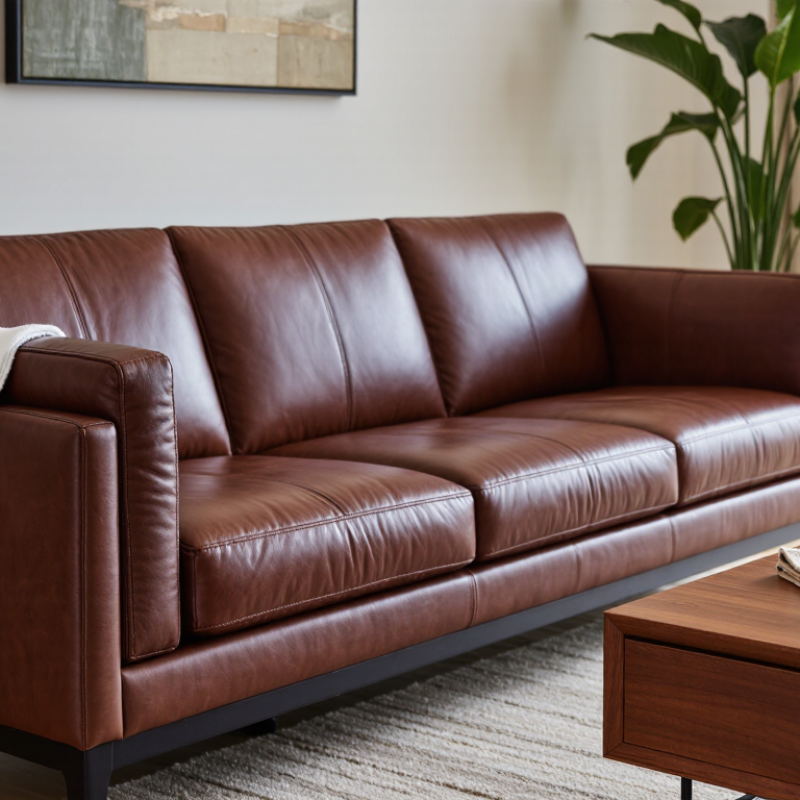
Leather is not one uniform material, so its cleaning needs can differ sharply. Aniline leather has visible pores and little surface protection. It feels soft and natural. It also stains quickly. Semi-aniline leather has a light protective coating, making routine cleaning safer. Pigmented or protected leather usually has a sealed color layer and tolerates gentle wiping better. Nubuck and suede require different methods because their raised surfaces can become shiny or damaged.
Check the care label before using any cleaner. If the label is missing, inspect a hidden area first. Apply a small amount of distilled water to an unseen corner. If the color darkens unevenly, stop. That reaction often suggests absorbent leather.
A soft, dry cloth should remove loose dust. For protected leather, use a barely damp cloth and mild, leather-safe soap.
Do not soak the cushion. Water marks are stubborn.
I have found that wiping spills immediately prevents more damage than aggressive scrubbing later. Blot with a clean towel. Never rub oily stains across the surface. For aniline leather, professional advice is safer when stains penetrate deeply.
I once used too much conditioner on a test piece; it left a greasy patch for days. That mistake still matters. Use a thin layer, then buff gently after the surface dries.
Keep couches away from radiators and strong sunlight. Rotate cushions regularly. Inspect seams, corners, and areas beneath cushions every few months.
Before cleaning, prepare a soft vacuum brush, white lint-free cloths, distilled water, gloves, and a pH-neutral leather cleaner. A flashlight helps reveal dry edges and hidden grime. Check the care label and identify the leather type. Aniline leather reacts differently from protected leather. Guessing here can create permanent damage.
Professional upholstery guidance in IICRC S300-2021 emphasizes inspection and pretesting before treatment. Choose a hidden area beneath the cushion or behind the couch. Dampen a white cloth lightly, then touch the surface for 30 to 60 seconds. Blot, rather than rub. Watch for dye transfer, darkening, stickiness, or a changed sheen. Stop immediately if any appear. Do not flood the leather.
I learned this caution after rushing a test on a dark cushion. The cloth looked clean, but the surface became slightly dull. It was not a disaster, but it was avoidable. Test again after drying completely. Use a clean section of cloth each time. The 2024 Circularity Gap Report estimates global circularity at only 7.2%, making careful maintenance worthwhile. The U.S. Environmental Protection Agency reported 4.9 pounds of municipal waste per person daily in 2023. Extending furniture life helps reduce replacement waste, though cleaning alone cannot solve that problem.
Removing dust, dirt, and stains from leather requires patience, not aggressive scrubbing. Begin by vacuuming seams, cushions, and crevices with a soft brush attachment. Dust can act like fine sandpaper when repeatedly pressed into the surface. Wipe the leather with a slightly damp, clean microfiber cloth. Use distilled water when possible, especially in areas with hard tap water. Never soak the upholstery.
Tips: Test every cleaner on a hidden area. Check the manufacturer’s care instructions before using soap or conditioner. For protected leather, use a small amount of mild, leather-safe cleaner and work in gentle circles. Blot spills immediately with a dry cloth. Do not rub them outward. Oil, ink, and dark transfer marks may need professional treatment. Home remedies can spread stains or change the color permanently.
I once used too much water on a leather cushion, and the drying ring was difficult to remove. That mistake taught me to clean smaller sections. Let each area dry naturally away from sunlight, radiators, and hair dryers. A suitable conditioner can reduce dryness, but over-conditioning leaves a greasy film that attracts dirt. Leather also varies in finish and age, so a method that works on one couch may damage another. When the surface feels sticky, cracked, or unusually faded, stop experimenting and seek a qualified leather-care specialist.
Leather conditioning restores oils that keep upholstery flexible, but more product is not better. The Leather Working Group’s technical guidance stresses that leather performance depends on finishing, moisture balance, and regular maintenance. A coated sofa needs less conditioner than unfinished aniline leather. Check the care label first. Then test a small hidden area.
Vacuum dust from seams and cushions. Wipe the surface with a barely damp, soft cloth. Let it dry naturally. Apply a small amount of neutral leather conditioner to another cloth, never directly onto the couch. Work in thin circles, especially on dry armrests. The American Society of Heating, Refrigerating and Air-Conditioning Engineers recommends indoor relative humidity near 30–60%. Very dry rooms can accelerate stiffness, while excessive humidity may encourage odor and surface problems. Keep the couch away from radiators and strong windowside heat.
Wait.
After ten minutes, remove any residue with a clean cloth. Repeat only when the leather feels dry or looks dull, often every three to six months. The Furniture Industry Research Association’s upholstery guidance supports gentle, routine care over aggressive cleaning. My own practical mistake was conditioning a worn seat too heavily; it became greasy and attracted dust. That result was avoidable. Never use cooking oil, alcohol, abrasive powder, or household polish. Inspect seams and creases during each treatment, because conditioner cannot repair cracked finish or weakened leather.
Leather couches age well when daily habits reduce stress on the hide. The Leather Naturally care guide recommends regular dust removal and leather-specific products. I vacuum seams weekly with a soft brush, then wipe the surface using a barely damp microfiber cloth. Water should never pool on the leather. Blot spills immediately. Rubbing can spread pigment and push liquid deeper.
Sunlight and heat cause quieter damage. Leather may fade, dry, or develop brittle areas near windows and radiators. The U.S. Environmental Protection Agency recommends indoor relative humidity between 30% and 50%. This range can help limit excessive dryness and moisture-related problems. Keep the couch at least several inches from heat sources. Use curtains during strong afternoon sun. Small changes matter.
Conditioning requires restraint. Leather Naturally advises choosing care products designed for the specific leather finish. Test any cleaner beneath the sofa first. I condition high-use seating about two to four times yearly, but heavily used homes may need closer inspection. Too much product leaves a greasy film and attracts dust. I once over-conditioned an armrest; it looked polished, not healthy. That mistake changed my routine. Check for pale patches, tight grain, sticky areas, and loose stitching before applying anything. Professional upholstery conservators also advise following the maker’s care instructions, because coated, aniline, and nubuck leather respond differently.
How to Clean and Maintain Leather Couches in 2026?
Regular light cleaning helps remove dust and body oils before they build up. Wipe spills immediately, condition finished leather about every six months, and inspect the couch annually for drying, cracking, loose seams, or color changes. Always follow the care label and test products on a hidden area first.
Prepare a soft vacuum brush, white lint-free cloths, distilled water, gloves, and a pH-neutral leather cleaner. A flashlight reveals grime near seams and edges.
Aniline and protected leather react differently to moisture and cleaners. Check the care label. Guessing may cause permanent damage.
Choose a hidden area beneath a cushion or behind the couch. Dampen a white cloth lightly and press it for 30 to 60 seconds. Blot gently. Stop if dye transfers, the surface darkens, or the sheen changes. Let it dry, then test again with a clean cloth section.
Vacuum seams, cushions, and crevices with a soft brush attachment. Dust can act like fine sandpaper when repeatedly pressed into leather. Wipe small sections with a slightly damp microfiber cloth.
Blot the spill immediately with a dry, clean cloth. Do not rub outward. Avoid soaking the leather, because excess water can leave a visible drying ring.
They may spread the stain or permanently change the color. Ink, oil, and dark transfer marks often require qualified professional treatment. Experimenting can make the damage worse.
Use a small amount of mild, leather-safe cleaner on protected leather. Work in gentle circles over a limited area. Test every cleaner first. Less water is safer.
Let it dry naturally away from sunlight, radiators, and hair dryers. Do not rush the process. I once used too much water, and the ring was difficult to remove.
A suitable conditioner may reduce dryness and help maintain flexibility. Too much leaves a greasy film that attracts dirt. Stop if the surface feels sticky, cracked, or unusually faded.
Learning how to clean and maintain leather couches begins with identifying the type of leather, since finished, unfinished, and coated surfaces may require different care. Gather soft microfiber cloths, a gentle leather-safe cleaner, distilled water, and a suitable conditioner. Before cleaning, test every product on a hidden area to check for discoloration or texture changes. Remove loose dust and dirt with a soft cloth or vacuum brush, then gently treat stains without soaking the leather or scrubbing aggressively.
After cleaning, apply a small amount of conditioner to restore moisture, softness, and flexibility, following the leather’s specific care needs. Regular maintenance is essential: wipe spills promptly, dust the couch weekly, keep it away from direct sunlight, heat sources, and excessive humidity, and avoid sharp objects or rough materials. With consistent attention and careful product testing, you can extend the couch’s lifespan, preserve its appearance, and learn how to clean and maintain leather couches safely and effectively.
